Smell gas? Please call the Gas Emergency Services helpline immediately:
Please get in touch and we’ll be happy to discuss how we can help you.
Here you will find out what to expect from us before, during and after your appointment.
Please take a look at our short videos with helpful tips for managing your central heating system.
We employ dedicated local people with the familiarity of the local environment, that can be adaptable to local conditions.
If you would like to do business with us, please get in touch and we’ll be happy to discuss how we can work with you.
We manage over 50 Social Housing Maintenance contracts across the UK. Learn about some of our clients.
We help local people deliver improvement schemes offering environmental, economic and community benefits.
We are ready to support you and your business on the journey to net zero carbon.
Trusted since 1963
Safe, reliable and customer focussed – these are the fundamental principles of our quality
PH Jones operates nationally across the UK providing local delivery through 15 regional offices. Have a look at some other interesting facts about PH Jones
Have a look at some key milestones in PH Jones history.
PH Jones work with social housing associations and local authorities across England, Scotland and Wales.
PH Jones is part of British Gas and all of our vacancies are listed on the British Gas website. This page contains an overview of our recruitment process.
Find out more information about our Senior Leadership Team and how they drive our strategy of customer focussed delivery and innovation
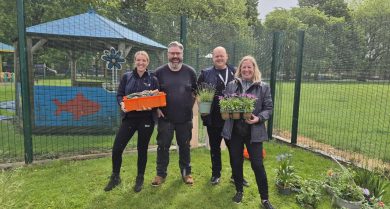
Colleagues from PH Jones have come together this week at the ‘Family Hub at Formby…
At PH Jones, Mental Health Awareness Week has been an important opportunity to reflect,…
PH Jones were proud to sponsor the Community Champion (Over 18s) award at the…
This Easter, our staff came together to support St Luke’s Care Home…
At PH Jones, we are committed to nurturing talent and supporting young people on…
In a heartwarming display of community support, PH Jones’ collaborative efforts with Wigan Council’s…
We have been delighted and proud to be a gold sponsor for the ‘Volunteer…
As we usher in the (slightly) warmer months, PH Jones takes a moment to…
In a heart-warming display of holiday spirit, ten dedicated staff members from PH Jones…
This week is National Social Housing Safety & Compliance Week. See the below extract from…
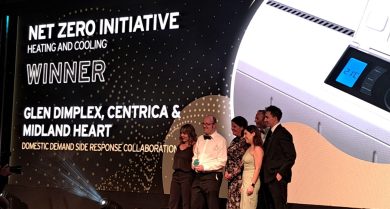
We’re thrilled to have been awarded the Net Zero Initiative Award for a Heating…
Our teams have once again been using their volunteering days for team building and…
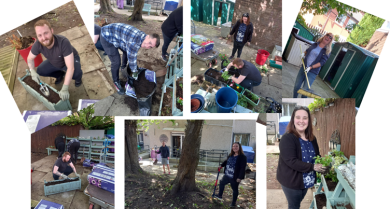
In July, our Growth and Commercial teams volunteered to support the Liverpool 6 Community…
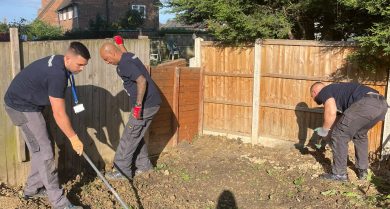
To support our social value commitments with Leeds City Councils two of our team…
Here at PH Jones we believe by engaging with students at a young age,…
Our H&S team recently worked with our local operational team in Leeds to identify…
In July carried out 120 mock interviews for Year 10 students at Childwall Sports…
PH Jones, who celebrated their 60th year in the heating industry earlier this year,…